
Individual SURF THERAPY
One-on-one sessions tailored to each athlete’s unique needs. With consistent support from trained instructors, athletes build confidence, resilience, and social-emotional skills while experiencing the healing power of the ocean.
Happy Camp & Day Camps:
Inclusive surf therapy, ocean fun, and connection—all in a single unforgettable beach day
Surf-Fit and Wellness
Where land-based fitness and pool training meet to support mind, body, and ocean readiness.
Caretaker Wellness
A restorative space for those who give so much. Through mindfulness, movement, and community, caretakers recharge, find balance, and strengthen the resilience they bring to their loved ones.
LITTLE LEGENDS WAVE FEST TRAVEL CLINIC
A traveling surf therapy clinic that brings the stoke to new beaches and communities. Athletes and families connect through inclusive surf sessions, celebration, and shared growth—spreading the magic of Gnome Surf beyond our home shores.
Youth Mentorship
Guiding the next generation of surfers and leaders through connection, responsibility, and growth. With support from trained mentors, young athletes build confidence, sharpen skills, and discover the power of belonging to an inclusive surf community.
Costa Rica
An immersive surf therapy adventure designed for our Gnome Surf families and the local Costa Rican community. Together, we share the magic of surfing, connection, and wellness—embracing warm waves, vibrant culture, and the restorative rhythm of pura vida.
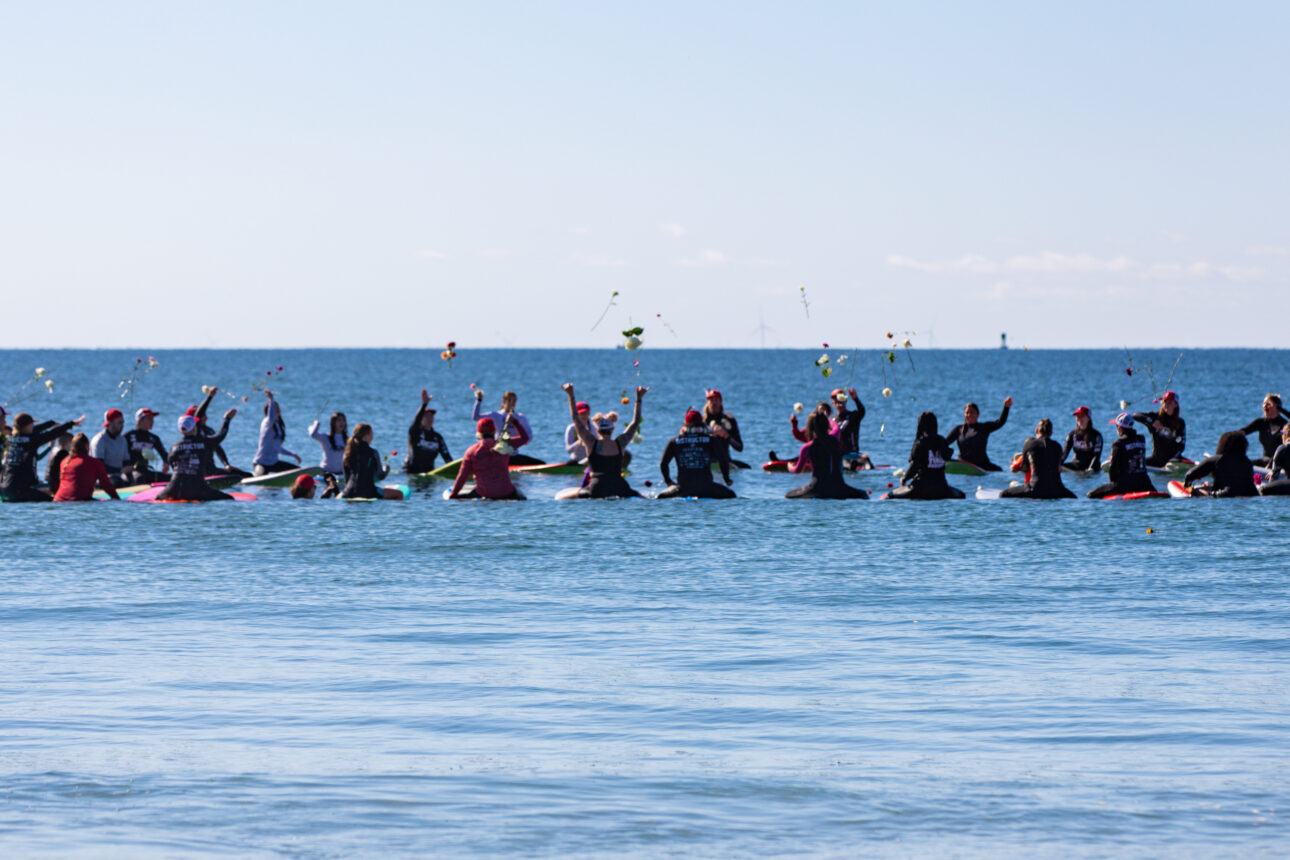
Events
From paddle outs to community celebrations, our events bring athletes, families, and supporters together. Each gathering strengthens connection, spreads stoke, and fuels the mission of inclusive surf therapy.
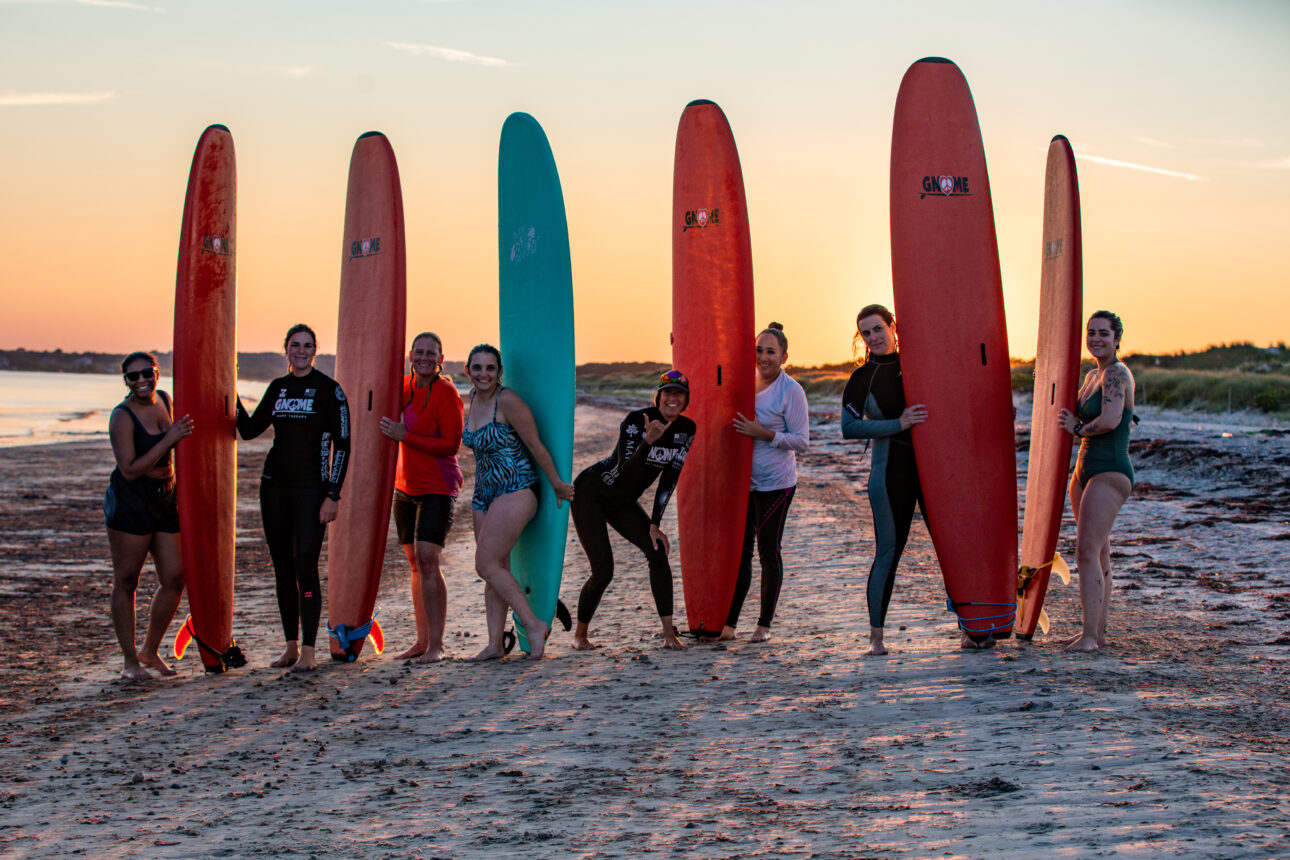
News and Press
From local beaches to global stages—Gnome Surf has made waves in major publications and news programs, innovating and pioneering surf therapy one story at a time.
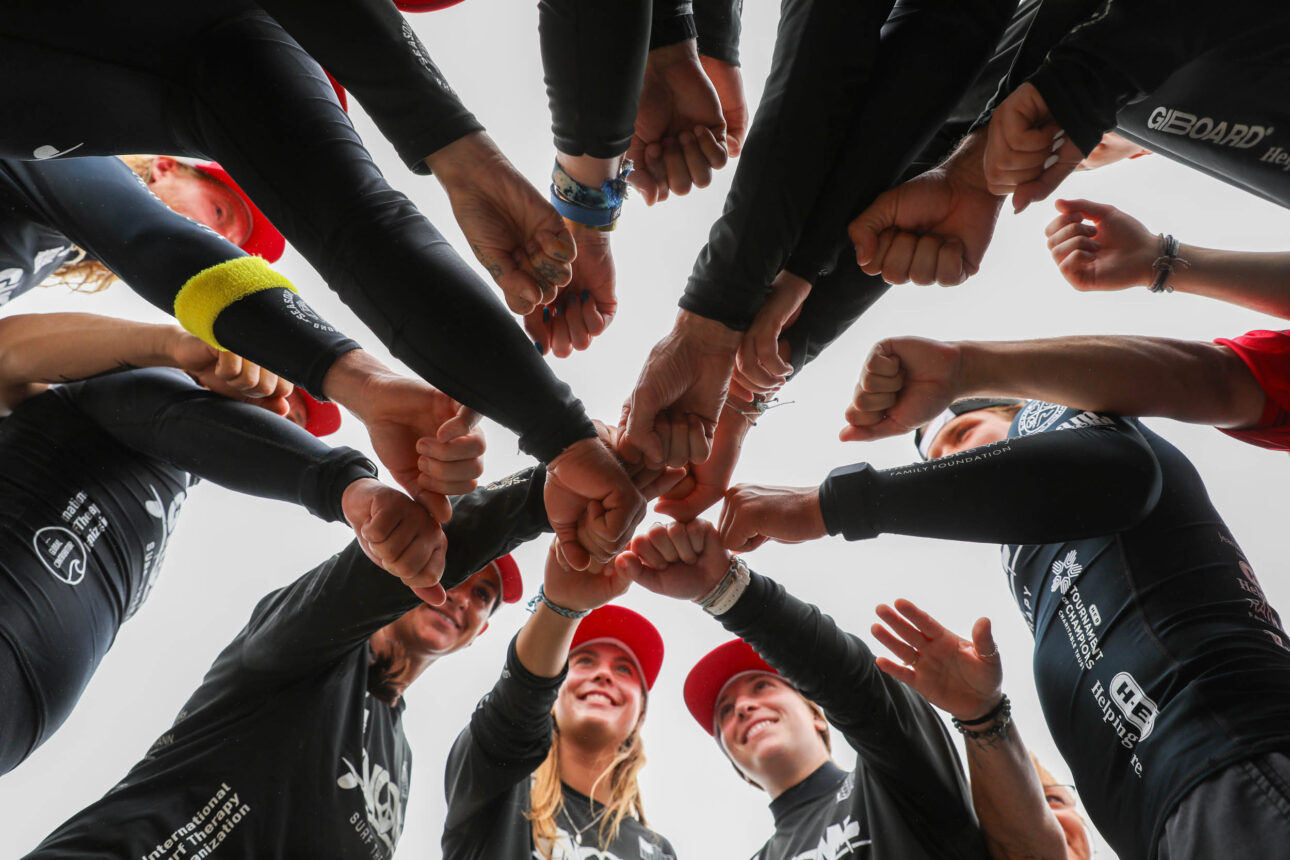
Images and Videos
View photos from every session—our photographers capture the magic at the beach daily. Browse the galleries and watch videos that bring the Gnome Surf story to life.
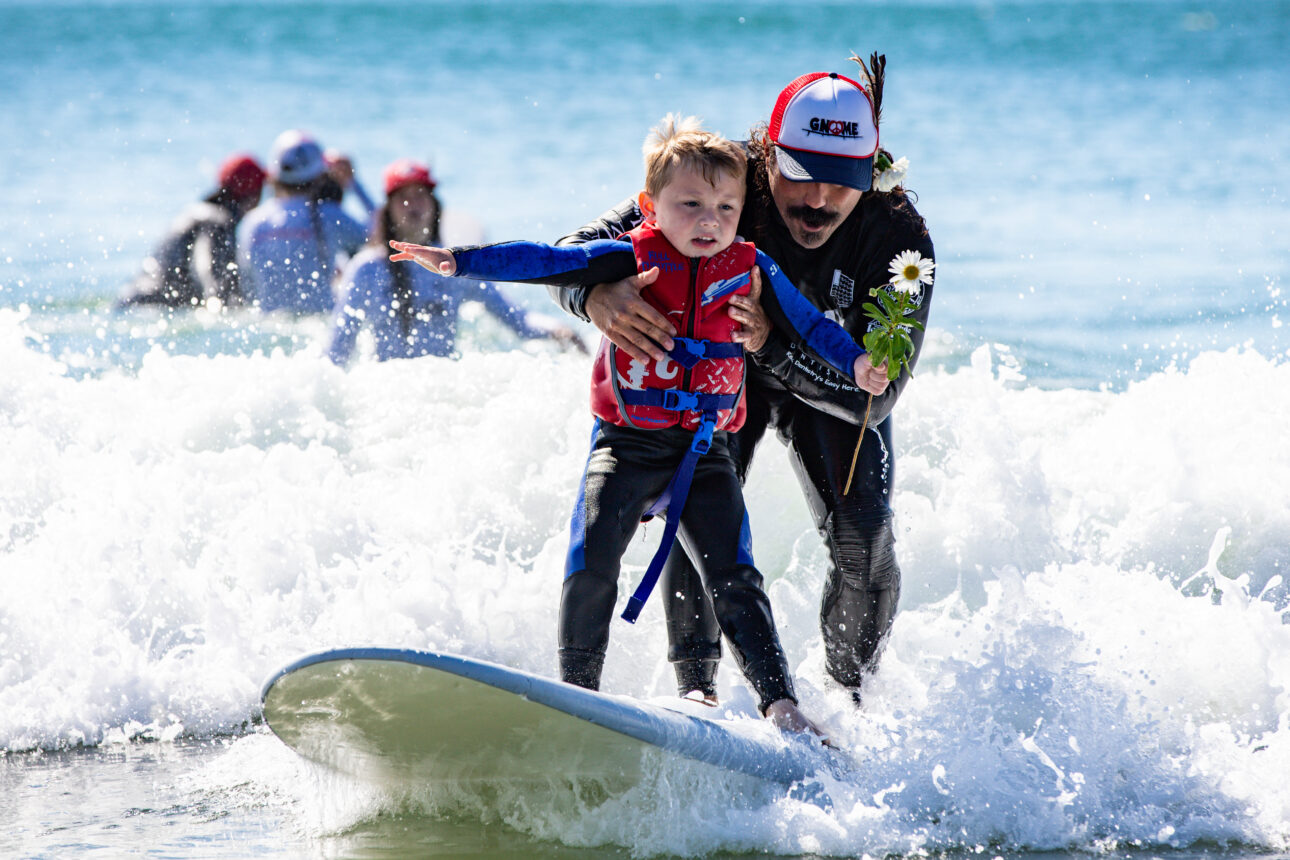
REGISTER FOR INDIVIDUAL SURF THERAPY SESSION
Experience the magic of Gnome Surf—book your individual session now
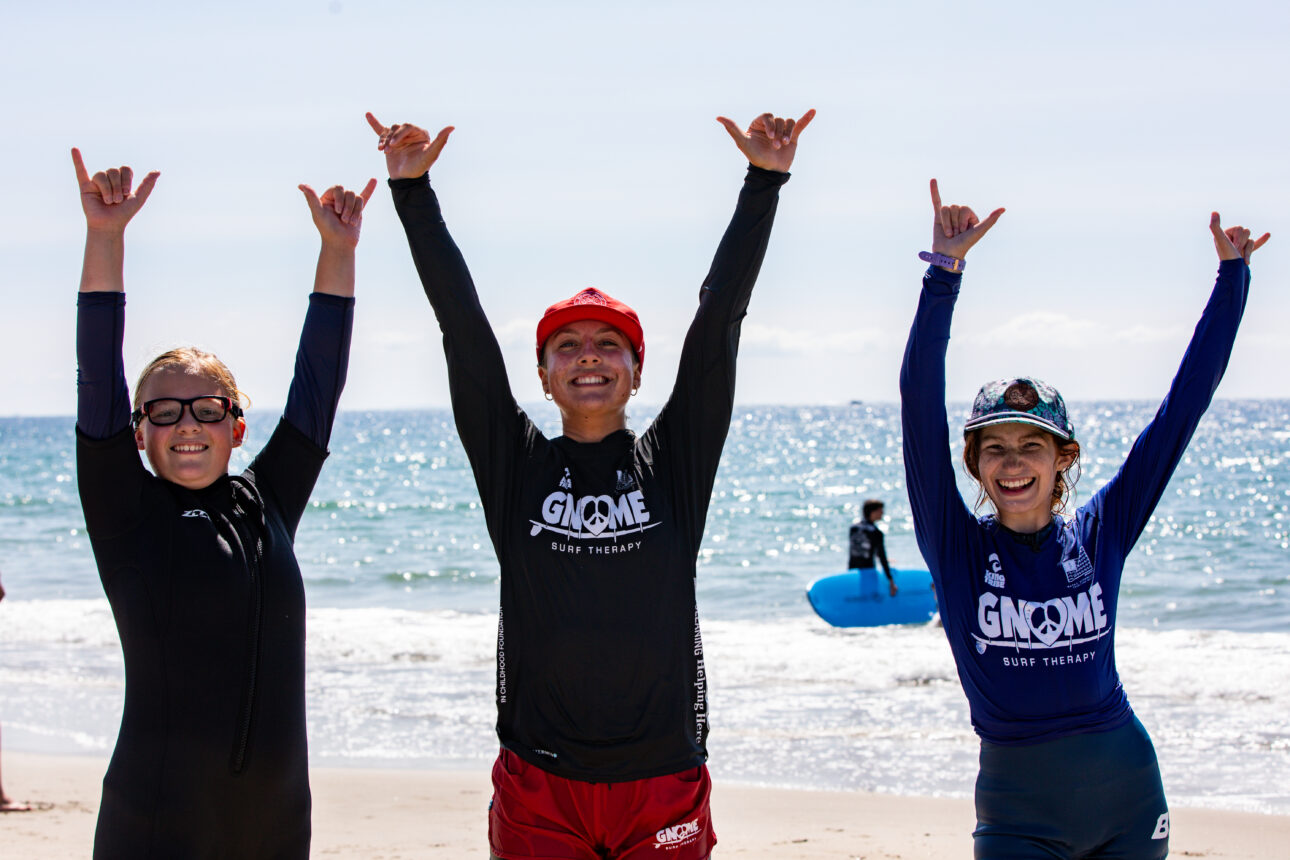
REGISTER FOR SURF THERAPY EVENTS
Celebrate connection, stoke, and community at our surf therapy events
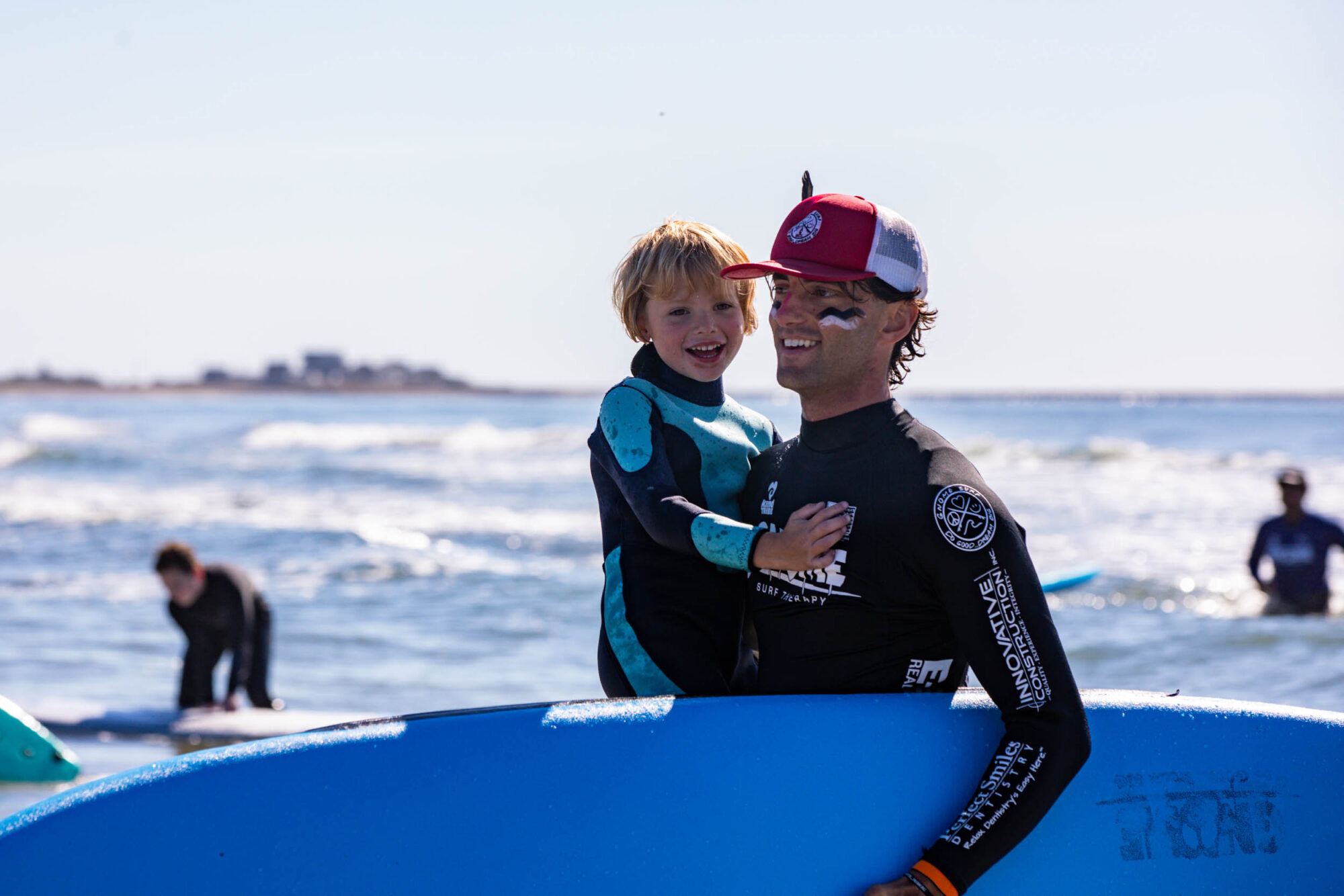
Riding the wave: Occupational therapy’s role in surf therapy
Read the full original article Here from aota.org
Brooke Tubbs and Rachel Folan
Riding the Wave: Occupational Therapy’s Role in Surf Therapy
Brooke Tubbs and Rachel Folan
Surfing found me as I (Brooke) was slipping into the grips of depression, living on the other side of the world, facing homesickness, culture shock, and feelings of self-doubt. The first time I caught a wave I felt a rush of joy, adrenaline, and pride. I was caught in the flow and rhythm of surfing: paddling out, seeing a wave on the horizon, pushing myself to catch it, and riding it with my eyes open to the world. Surfing allows the rider to oscillate between the thrill of gliding upon a ray of sun-lit water and serendipitous lulls of the rolling waves. As I was finishing my OTD degree, I chose to use my capstone to continue learning about surf therapy with a company called Gnome Surf, based out of New England. Now both Rachel and I apply our foundational OT knowledge as titled surf therapists for Gnome Surf. According to the International Surf Therapy Organization (ISTO), Gnome Surf is one of 47 surf therapy organizations globally. Gnome Surf provides daily surf therapy sessions to individuals of abilities.
ITSO defines surf therapy as “A method of intervention combining surf instructing/surfing and structured individual or group activities that promote psychological, physical, and psychosocial well-being” (2019). As a unique alternative to traditional therapy, some surf therapy programs utilize a designated therapeutic component, while others simply use the outdoors as an experiential/educational component where participants engage with nature to achieve therapeutic benefits (Hawkins, Townsend, & Garst, 2016). Both options require a trained individual to facilitate the interaction for the maximal therapeutic result — occupational therapists are primed to be these facilitators.
Surf therapy is holistic in nature, addressing the biopsychosocial aspects of the person and mirroring the scope of occupational therapy practice. It has the potential to address 6 out of the 9 areas of occupation, contexts, performance patterns and skills, and client factors outlined in the OTPF 4th Edition (see Table 1). A scoping review of sport as a leisure occupation supports this and describes that sensory integration, social interaction, accessing the natural environment, and the therapeutic properties of water all contribute to the unique experience of surf therapy (Costalonga et al., 2020).
Table 1. Surf Therapy and the OTPF
| Occupations | ADLs |
|
| IADLs |
|
|
| Health management
|
|
|
| Play |
|
|
| Leisure |
|
|
| Social participation |
|
|
| Contexts | Environmental Factors |
|
| Personal Factors | Age, gender identity, race and ethnicity, cultural identification and attitudes, social background, socioeconomic status, habits and behavioral patterns, temperament, character traits, coping styles, health conditions and fitness levels. | |
| Performance Patterns | Routines |
|
| Roles
|
|
|
| Performance Skills | Motor skills
|
Holding onto the surfboard, coordinates movements to position self on the surfboard including kneeling/standing, coordinates movement to paddle, sustains performance for the entire session |
| Process skills
|
Attends to the entire session, applies knowledge, and uses equipment appropriately, initiates paddling or positioning or kneeling/standing on the surfboard, sequences movements appropriately, adapts performance. | |
| Social interaction skills | Initiates and produces social interactions including nonverbal movements, shapes and maintains flow of social interactions, acknowledges and encourages other surfers or the surf therapist, adapts social interaction | |
| Client Factors | Beliefs
|
|
| Spirituality
|
|
|
| Body functions
|
|
|
| Body structures | Structures related to body functions above |
The evidence base for the use of surf therapy as an adjunct intervention continues to grow. With surfing, youth have demonstrated improvements in physical fitness, self-confidence, social skills, positive behaviors, quality of life, self-determination, and sleep (Benninger et al, 2020; Parsons, 2018). Anecdotal evidence from parents of youth with Autism Spectrum Disorder also speaks to the regulating nature of the ocean, including the waves and the wetsuit, along with other forms of natural sensory input (Benninger et al., 2020; Moore, Clapham, & Deeney, 2017). Parents also mention the inclusive nature of the physical and social environment, describing it as a normalizing opportunity for their children (Benninger et al., 2020; Moore, Clapham, & Deeney, 2017).
Surfing as therapy has also been utilized with adults, primarily those with PTSD, substance use disorder, and other mental health challenges. Surfing is categorized as a high-risk leisure activity as it elicits a similar physiological response to other risky behaviors and occupations and can consequently be used to replace those behaviors (Rogers, Mallinson, & Peppers, 2014). For these populations, a major benefit from surf therapy is the application of mindfulness due to the intense focus on one’s body and surroundings to navigate the shifting ocean (Otis, et al., 2020). Surfing requires body awareness to maintain balance, feel the wave velocity, and take corrective action. For those that have experienced trauma, this allows a person to recognize the interplay between emotions and physical sensations. Surf therapy can then be categorized as a body-based therapy, allowing for the completion of “action tendencies” or physical impulses associated with trauma, and ultimately supports emotional regulation (Van der Kolk, 2015). In addition, self-regulation strategies can be taught and implemented while riding this intensity of emotion and hyperarousal during a surf therapy session to then translate to daily life. For veterans, surf therapy has been found to decrease stress levels and depressive symptoms, limit the use of narcotics, and increase self-efficacy; veteran’s report being better able to manage their PTSD symptoms after one or multiple surf sessions (Benninger et al., 2020). Finally, because surf therapy is unorthodox, non-traditional, and it addresses both physical and mental health, it is likely less stigmatizing to these populations and as a result, improves their volition to pursue and continue treatment.
Case examples, obtained through skilled observation, from the children that I have worked with reinforce the benefits of surf therapy. Child #1 is nonverbal, with sensory processing challenges and ASD. They struggle with listening and following instructions, hyper fixating on objects, decreased attention, and frequently perform maladaptive behaviors, but they love the water. During the first surf session, the child bolts directly into the ocean, with no regard for the surfboard or instructor. They struggle to follow directions in the water and hyper-fixate on getting crashed into by the waves. Slowly, over the next two or three sessions, the child’s attention and listening skills improve, now walking with the instructor into the water. The ocean regulates them enough that they are now able to pay attention on the surfboard to listen to instructors’ directions and successfully ride waves.
Child #2 is easily distracted with a decreased attention span, lacks confidence and self-esteem, struggles with self-regulation, and has decreased balance. At first, when walking out into the ocean, they get hit by multiple waves and run towards shore because they are afraid. After implementing breathing and self-regulation techniques as instructed by the therapist, the child agrees to try one wave at a time. The child and therapist catch one wave after another, with the therapist constantly reassuring the child that they are safe and capable. The child begins to trust themself more, letting go of the surf board to sit and then kneel on their own. They start cheering for themselves as they wash onto the beach, and start using more “I can do this” verbiage when talking with the therapist.
Surf therapy is more than just about building the skills needed to surf a wave on your own. It’s building confidence and self-esteem; it’s trusting someone new to help you succeed; it’s learning to pay attention and sustain that attention; it’s developing skills for regulating your emotions of fear and excitement; and it’s discovering how to fall and fail and get right back onto the board. As the evidence for surf therapy evolves, there will be a need for the innovative perspectives and abilities of occupational therapists to contribute to these efforts. As holistic, biopsychosocial practitioners, trained in activity analysis, environmental adaptations, and the promotion of occupational performance, occupational therapists are well equipped to carve out a place within these surf therapy programs. The training and background of occupational therapists allow them to work with different populations and communities as they are not restricted by their scope of practice to address only certain aspects of health and well-being.
References
Benninger, E., Curtis, C., Sarkisian, G. V., Rogers, C. M., Bender, K., & Comer, M. (2020). Surf therapy: A scoping review of the qualitative and quantitative research evidence. Global Journal of Community Psychology Practice, 11(2), 1–26.
Costalonga, D. A., Crozier, A. J., Stenner, B. J., & Baldock, K. L. (2020). Sport as a leisure occupation in occupational therapy literature: A scoping review. American Journal of Occupational Therapy, 74, 7403205100. https://doi.org/10.5014/ajot.2020.035949
American Occupational Therapy Association. (2020). Occupational therapy practice framework: Domain and process (4th ed.). American Journal of Occupational Therapy, 74(Suppl. 2), 7412410010. https://doi.org/10.5014/ajot.2020.74S2001
International Surf Therapy Organization (2019). International Surf Therapy Organization. https://intlsurftherapy.org.
Moore, A. M., Clapham, E. D., & Deeney, T. A. (2017). Parents’ perspectives on surf therapy for children with disabilities. International Journal of Disability, Development and Education, https://doi.org/10.1080/1034912X.2017.1400660F
Otis, N. P., Walter, K. H., Glassman, L. H., Ray, T. N., Michalewicz-Kragh, B., & Thomsen, C. J. (2020). Effects of PTSD and MDD comorbidity on psychological changes during surf therapy sessions for active duty service members. Global Journal of Community Psychology Practice, 11(2), 1–23. http://www.gjccp.org/.
Parsons, D. (2018). The effects of surf therapy on self-determination and quality of life in young adults with Autism Spectrum Disorder. https://scholarworks.csun.edu/bitstream/handle/10211.3/203512/Parsons-Daniel-thesis-2018.pdf?sequence=1
Rogers, C. M., Mallinson, T., & Peppers, D. (2014). High-intensity sports for posttraumatic stress disorder and depression: Feasibility study of ocean therapy with veterans of Operation Enduring Freedom and Operation Iraqi Freedom. American Journal of Occupational Therapy, 68, 395–404. http://dx.doi.org/10.5014/ajot.2014.011221
Van der Kolk, B. A. (2015). The body keeps the score: Brain, mind, and body in the healing of trauma. Penguin Books.
Brooke Tubbs, OTD, OTR/L, is an occupational therapist practicing in an acute care setting. She works for Gnome Surf, a non-profit surf therapy organization in New England, exploring the use of surfing as a modality/intervention. She graduated from Alma College with a Bachelor’s degree in Integrative Physiology and Health Science (2018) and from Northern Arizona University with a Doctorate in Occupational Therapy (2022). Brooke is a William J. Fulbright Scholar (2018). She also has a graduate certificate in Translational Research in Adolescent Behavioral Health (2021) from the University of South Florida.
Rachel Folan, MSOT, OTR/L, is an occupational therapist who has practiced occupational therapy in long term care and skilled nursing facility settings for the past 2 years. She has volunteered and worked with Gnome Surf, a non-profit surf therapy organization based in southeastern MA and RI, as a surf therapist providing surf therapy to children and young adults. She has conducted research for the International Surf Therapy Organization (ISTO), in collaboration with Gnome Surf, about the effectiveness and outcomes of surf therapy for the populations she serves. She graduated from Worcester State University with a Bachelor’s degree in Occupational Studies (2018) and a Master’s degree in Occupational Therapy (2019).
Fuel the Magic. Be the Movement. Become a Sponsor
Behind every smile, every breakthrough, every child who finally believes they belong, stands you. Our sponsors and partners aren’t just supporters—they’re the backbone of our mission, the lifeline to our magic. These visionary companies and foundations don’t just write checks; they co-create futures. They invest in communities, champion corporate responsibility, and prove that profit and purpose can ride the same wave.
To our current partners: you’re the reason hope has a heartbeat here. Your mentorship, belief, and unwavering commitment fuel therapies that heal, programs that empower, and a tribe where no one walks alone. To those yet to join us: this is more than charity—it’s legacy. Align your brand with radical joy, unshakable inclusion, and a movement rewriting lives daily.
We don’t just need donors. We need partners who dare to ask, “What if?” What if your logo could stand for love? What if your business could be a beacon?
Join us. Be the tide that lifts every child home.